Is Egypt Safe to Visit? A Guide to Planning Your Trip
Explore Egypt travel safety by area, official advisories and practical advice on transport, excursions, insurance and getting help with CasaViajes.
The essentials at a glance
- Safety depends on the area, journeys and individual circumstances.
- Authorities distinguish tourist destinations from regions with travel warnings.
- Check your country's advisory and regional detail before booking and departure.
- Confirm operators, transfers, activities, contacts and insurance cover.
- The guide covers personal risks, health and verified emergency numbers.
- Information reviewed on 29 November 2026; advisories can change.
Is Egypt safe to visit? Many tourist visits pass without incident, but the answer depends on the area, journeys and traveller's circumstances. Assess the full itinerary and official advice, alongside your choices of accommodation and excursions.
This CasaViajes guide offers a practical way to prepare your route and understand the difference between tourist destinations and areas subject to specific warnings.
Information reviewed on 29 November 2026. Check current advice before booking and departing: security conditions can change after this review.
The short answer
Egypt should not be assessed as one area with a uniform risk level. The British FCDO says most visits by British nationals are trouble-free, while maintaining security warnings and advising against travel to particular areas.
The useful starting point is to check where you will go, how you will get there and what you will do. An organised journey can simplify coordination, but cannot guarantee that risks disappear.
What the official sources say
- Spain: Spanish travellers should consult the Ministry of Foreign Affairs' Egypt recommendations for consular guidance.
- United Kingdom: the FCDO distinguishes regions and publishes both general warnings and a regional-risk section.
- United States: the advisory issued on 24 November 2026 places Egypt at Level 2, exercise increased caution, with higher warnings for specific areas.
- Canada: its guidance provides practical information about personal safety, transport and activities.
Different governments' classifications are not interchangeable. Read your own country's advice and check your insurance cover for the intended route.
The area and the route matter
Cairo, Giza, Luxor, Aswan and the Red Sea
Assess a route through these destinations by its actual visits and journeys. A booking labelled "Egypt" or "Red Sea" is not detailed enough: ask for the locations, transfers and operator of each activity.
The FCDO describes southern Sinai's tourist areas as generally low risk, while its warnings for other parts of the peninsula differ. That assessment does not replace the advice applicable to your nationality or make every road an appropriate route.
North Sinai, borders and remote areas
The UK's advice against all travel includes North Sinai. Border areas and parts of the Western Desert also have specific recommendations, with boundaries and exceptions differing between governments.
Read the FCDO's regional guidance and your own country's advice. An excursion advertised online is not proof that its route is recommended, authorised or covered by your policy.
Regional context and possible changes
The FCDO warns that tensions in the Middle East are unpredictable. The U.S. advisory also identifies a terrorism risk, including in places visited by foreign nationals. Before travelling, check consular updates, flights and itinerary arrangements. Save your provider's contact details and ask how any programme changes would be communicated.
Everyday safety: belongings, purchases and services
Official sources identify risks such as theft, overcharging and scams in tourist settings. Keep track of your belongings and confirm the price and service before accepting a purchase, transfer or activity.
These questions can help clarify a booking:
- Who provides the service, and how will I identify them?
- What is included in the price, and what costs extra?
- Where does the activity finish, and how will I return?
- Do I have confirmation and a verifiable contact?
You can decline an offer you are uncomfortable with. Allow yourself time to decide rather than handing over documents or making payments under pressure from someone you do not know.
Road transfers and arriving at your accommodation
Canadian guidance identifies road-safety risks. Choose reputable operators and confirm the vehicle, seat belts and pickup point; avoid improvising long journeys by road at night.
On arrival, check that the driver and vehicle match your booking. Share your itinerary with someone you trust and retain your accommodation's address. These are practical planning measures, not certification that a particular driver or service is safe.
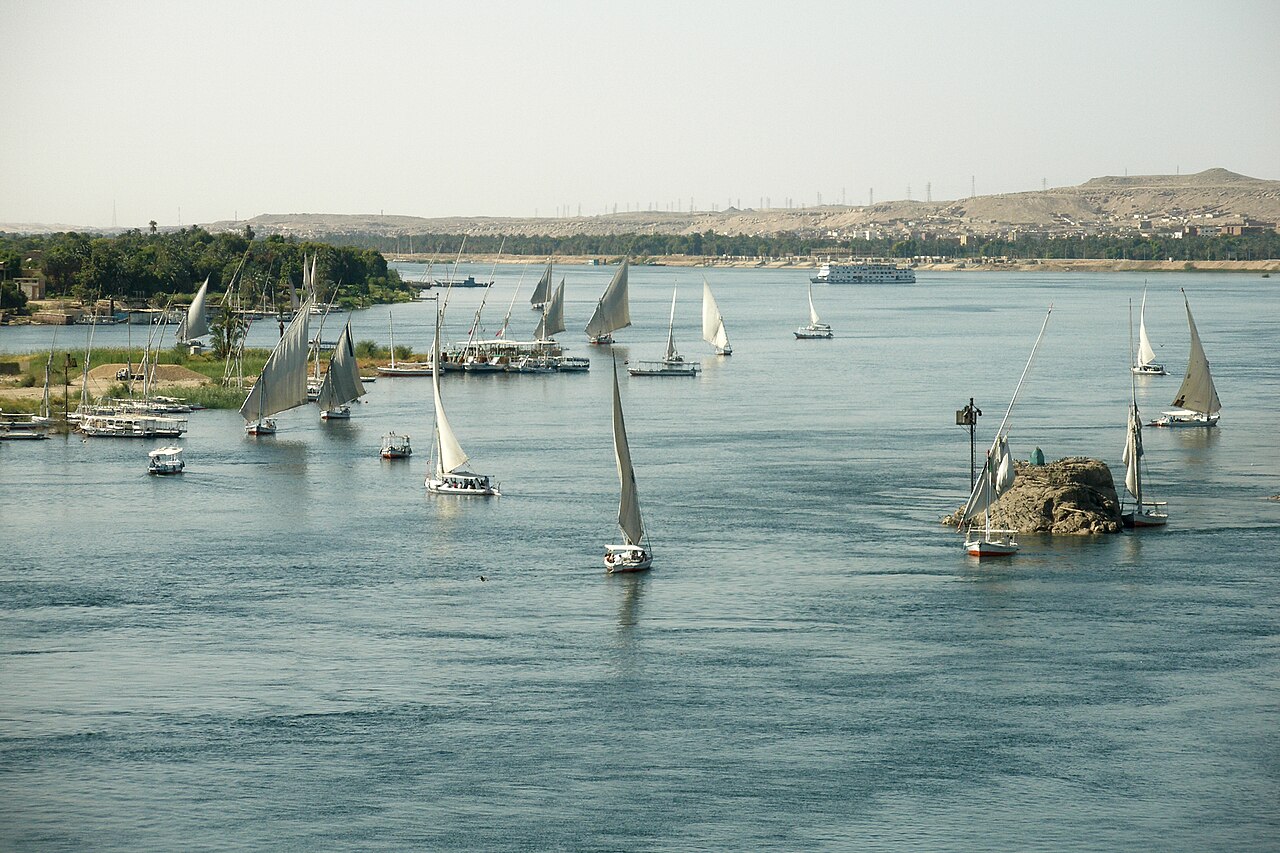
Cruises, boats and sea activities
British advice warns about accidents associated with overcrowding and poor safety standards on vessels. Before booking, ask about the operator, safety equipment and passenger instructions.
Check whether your insurance covers the activity and what alternatives are available if conditions prevent it. Follow the crew's instructions and do not use equipment whose condition concerns you. A hotel's or boat's commercial category does not replace these checks.
Solo travel, families and individual circumstances
Harassment and personal safety
Canadian and British guidance describes risks of harassment and sexual assault, including incidents in tourist settings. Harassment is never the victim's fault. If you feel in danger, seek help and contact the authorities and your assistance provider; familiarity or a uniform is not a guarantee of trustworthiness.
For a first visit, arranging transfers and a local contact in advance can be useful. Families should also check activity conditions, supervision and the transport they will need.
LGBT+ travellers
LGBT+ travellers should review the British safety and local-law guidance, which describes specific risks and actions by authorities. Consider your individual circumstances before organising the trip.
Health, insurance and preparation
Read the official health guidance and consult a healthcare professional in advance about your travel needs and vaccinations. Check medication rules and cover for medical assistance and, where relevant, medical evacuation.
Review policy exclusions for your destinations and activities. Travelling against certain official recommendations can affect cover: confirm the conditions with your insurer.
Adapt the pace of visits to the season. Our best time to visit Egypt guide helps compare months for cultural and coastal itineraries.
Documents and behaviour during visits
Keep your documents accessible and follow instructions at checkpoints and visitor sites. Avoid demonstrations and political gatherings.
Check photography rules and obtain permission where required. Drones and other equipment can be subject to restrictions: review official instructions before bringing them, rather than assuming permission in another country is sufficient.
What to do if you need help
British guidance on getting help publishes these emergency numbers for Egypt:
- Ambulance: 123.
- Police: 122.
- Tourist police: 126.
- Fire: 180.
In an emergency, contact the appropriate service. Inform your insurer and travel provider when you can do so. Save your consulate's details before departure; available consular support depends on nationality and circumstances.
Frequently asked questions
Is an organised trip automatically safe?
No. It can simplify logistics and provide clear contacts, but you still need to review the route, activities, official advice and insurance.
Do all Red Sea destinations have the same risk?
No. Check the actual location and route: warnings distinguish between areas, particularly within the Sinai Peninsula and its access routes.
Is an old travel recommendation enough?
No. Check the date and current text before booking and travelling, and follow relevant updates during your stay.
Can I travel independently?
The decision depends on your experience, itinerary and circumstances. Another traveller's positive experience is not a guarantee for a different route; assess each journey and the applicable advice.
Prepare your itinerary with CasaViajes
Contact CasaViajes with your dates, travellers and intended destinations to request a detailed proposal. Ask for accommodation, operators, transfers, activities and contacts during the stay to be specified.
Trip planning should be accompanied by checking consular advice and your insurance conditions. Find more planning guides in the CasaViajes blog.
Sources and image credit
Sources consulted on 29 November 2026. Warnings can change. Official links let you check the current wording and regional detail; this guide does not replace their instructions or an individual assessment of your trip.
- Spain's Ministry of Foreign Affairs: Egypt recommendations.
- FCDO: warnings, regional context and insurance.
- FCDO: regional risks.
- FCDO: safety, transport and local rules.
- U.S. Department of State: Egypt travel advisory.
- FCDO: health and healthcare.
- FCDO: emergencies and getting help.
- Government of Canada: Egypt travel advice.
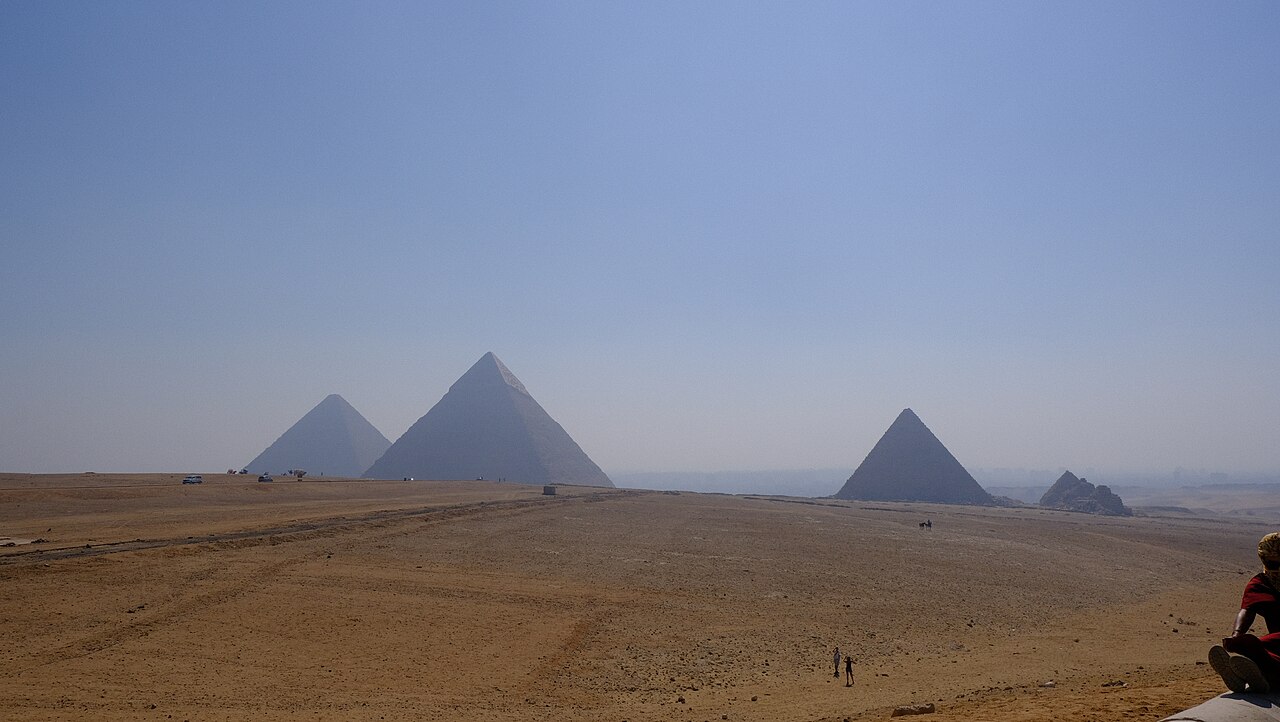
Cover photograph: Benjamin Inbar, 18 July 2023, via Wikimedia Commons, licensed CC BY-SA 4.0. Wikimedia's existing reduced-size version, without local edits. This archive photograph shows the Giza pyramids; it does not establish current security conditions.
Sources & references
- Spain's Ministry of Foreign Affairs: Egypt recommendations
- FCDO: warnings, regional context and insurance
- FCDO: regional risks
- FCDO: safety, transport and local rules
- U.S. Department of State: Egypt travel advisory
- FCDO: health and healthcare
- FCDO: emergencies and getting help
- Government of Canada: Egypt travel advice