Abu Simbel and Nefertari: the two temples and how to visit
Discover the temples of Ramesses II and Hathor and Nefertari, the solar alignment and how to plan your Abu Simbel visit from Aswan.
The essentials at a glance
- Abu Simbel includes the Great Temple of Ramesses II and the Temple of Hathor and Nefertari.
- Allow time for both buildings, not only the better-known one.
- Nefertari's temple and her tomb near Luxor are separate places.
- Distinguish time at the site from the full transfer duration from Aswan.
- Confirm admission, guiding, transport and inclusions before booking.
Abu Simbel is not a visit to just one temple. It is a chance to explore two monuments that deserve to be considered together. The Great Temple of Ramesses II attracts much of the attention, but the nearby Temple of Hathor and Nefertari deserves its own time and an explanation that goes beyond a quick photo stop.
This CasaViajes guide helps you tell the temples apart, understand Nefertari's presence and prepare a visit from Aswan. The itinerary ideas below are planning suggestions: final timings, included services and access conditions need to be confirmed for your trip.
Two temples, two ways to understand Abu Simbel
The complex is in Nubia, in southern Egypt. Its temples were cut into the rock on the orders of Ramesses II in the thirteenth century BCE. They now belong to the Nubian Monuments from Abu Simbel to Philae, inscribed on the World Heritage List in 1979. See UNESCO's description of the protected property.
For your visit, consider what you want to remember about each building: royal power in the Great Temple, or Nefertari's presence alongside Hathor in the Small Temple. Comparing them can make the experience more meaningful than trying to photograph every detail without stopping to look.
What to look for in the Great Temple of Ramesses II
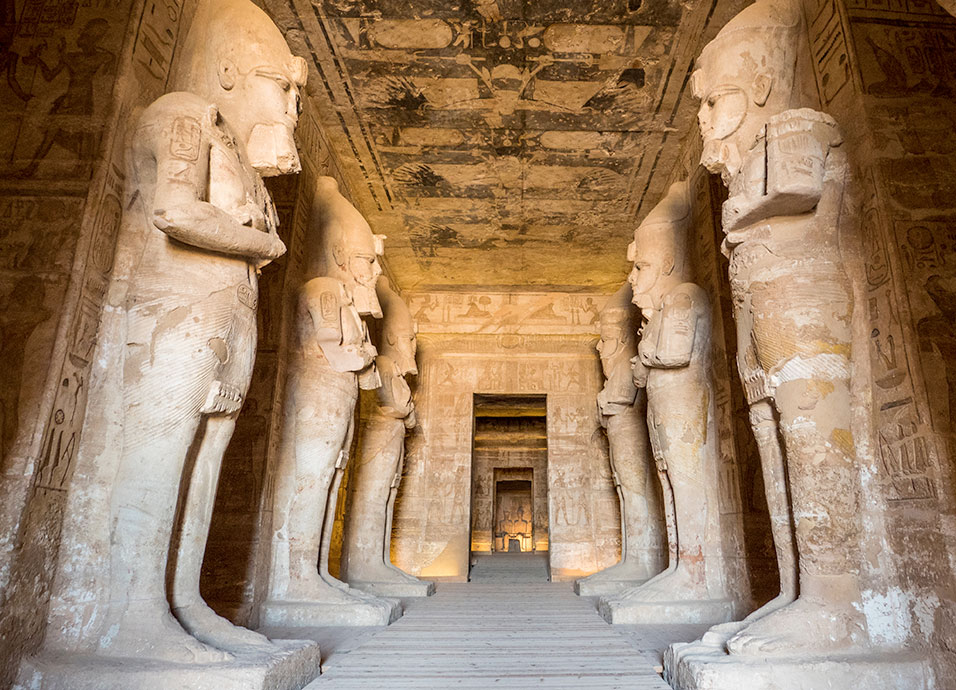
Four seated colossi of the pharaoh dominate the facade. Inside, the statues in the main hall lead towards the sanctuary. Egypt's Ministry of Tourism and Antiquities describes this sequence and explains that one exterior colossus collapsed in an ancient earthquake.
Our suggestion is to take in the whole facade first, choose a few details to examine and then enter without rushing. Ask your guide to connect what you see outside with the interior. Understanding one scene can leave a stronger memory than collecting photographs without their context.
The Temple of Hathor and Nefertari: more than the smaller temple
The second temple honours Hathor and Nefertari, the wife of Ramesses II. Six large standing figures decorate its facade: four of the king and two of the queen. The University of Memphis Institute of Egyptian Art and Archaeology explains this arrangement and Nefertari's association with Hathor.
Do not leave this building only whatever minutes remain. Pause at its entrance and compare the arrangement of its figures with the Great Temple. Inside, ask about the meaning of the queen's and goddess's representations; that question can give this part of your visit a clear focus.
Why Nefertari stands out
The scale of her statues is particularly significant. The Ministry highlights that Nefertari's colossi are the same size as those of her husband, an unusual presentation. You can check this in the official description of Abu Simbel.
This offers a starting point for discussing royal and religious representation without treating modern romantic interpretations as established facts. At CasaViajes, we want travellers to distinguish what the monument shows from the stories told about it.
How the temples were saved from the water
Construction of the Aswan High Dam threatened the monuments. During the international campaign led by UNESCO, the temples were cut into blocks and reconstructed at a higher location. Their new site was inaugurated on 22 September 1968, as described in UNESCO's account of the Abu Simbel rescue.
Give this story a little time during your visit. It is more than a technical footnote: it helps explain the landscape you see today and shows that preserving a monument can involve difficult decisions. Ask your guide how the relationship between the different parts of the complex was maintained.
The solar alignment phenomenon
Sunlight reaches the interior of the Great Temple on the alignment dates identified by the Ministry as 22 February and 22 October. This concerns the Great Temple, not Nefertari's temple; the official Aswan guide, available as a PDF explains the light's path towards the sanctuary.
If this is your main reason for travelling, discuss it before finalising the itinerary. Ask for current information about access, arrangements for that day and the viewing position. Being at Abu Simbel on a particular date does not guarantee a specific place or an unobstructed view.
Planning a visit from Aswan
Start with where you are staying and what you need to do afterwards, rather than looking only at an entrance time. Request a plan that sets out collection, the outward transfer, time at the site and the return journey. Time spent at the monuments is different from the total excursion duration.
If you are travelling on a cruise, confirm in writing where the boat will be and when you need to return. Do not assume that every Nile cruise includes Abu Simbel or that the boat travels to the temples. If you are considering flights or an overnight stay in the area, request availability and conditions for your dates before comparing them with a road transfer.
As an editorial planning suggestion, allow around two hours at the site to explore both temples without rushing. This is not an official duration and excludes transfers: adjust it to your group's pace, the explanations and conditions on the day.
Tickets, light packing and details to confirm
Check current visitor conditions through the Ministry's official channel and check again close to departure. Avoid treating a price in an old screenshot or an undated article as a final quotation.
Before accepting a proposal, ask about:
- Site admission and any special conditions for your chosen date.
- Private or shared transport, collection and return points.
- Guide services, language and time allowed for explanations.
- Breakfast or other meals that need to fit your schedule.
- Mobility requirements and assistance the organiser should plan for.
Prepare comfortable footwear, water and sun protection appropriate to your needs. Carry what you need without overpacking, and follow signs, staff instructions and the photography rules in force during your visit. Do not touch decorated surfaces.
Frequently asked questions about Abu Simbel and Nefertari
Is Nefertari's temple also her tomb?
No. The Temple of Hathor and Nefertari is at Abu Simbel; her tomb is in the Valley of the Queens near Luxor. They are separate visits. The Getty Conservation Institute documents the tomb's conservation; this documentation does not establish its current visitor availability.
Can both temples be part of the same excursion?
Plan for both and check that your itinerary allows time for each. Ask specifically about the Temple of Hathor and Nefertari, rather than leaving that part of the visit entirely dependent on the minutes remaining after the Great Temple.
Is Abu Simbel included in my Egypt holiday?
That depends on the programme you book. Read the inclusions and final quotation, particularly if you add this visit after making a reservation. A general destination description is not confirmation that a particular service is included.
Plan your route with CasaViajes
To discuss adding Abu Simbel to your trip, contact CasaViajes with your dates, number of travellers, planned accommodation or cruise, and interest in both temples. You can then request a proposal that fits the wider journey, with services and costs set out before you confirm.
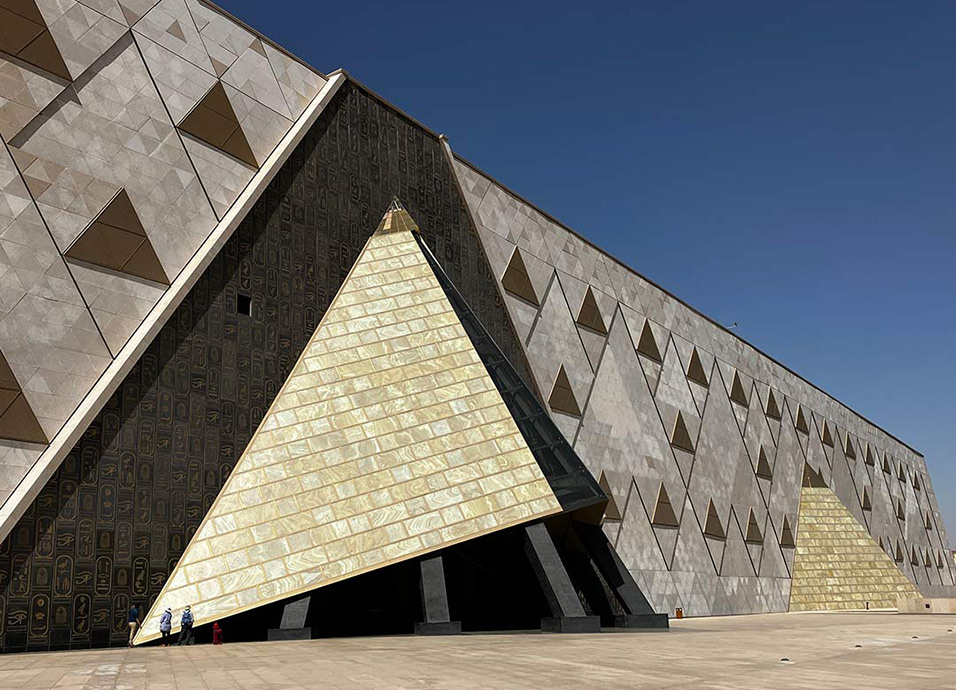
If Cairo is also on your route, continue planning with our Grand Egyptian Museum guide. The aim is not to fit in as many visits as possible, but to choose the places that interest you and give them the time they deserve.
Sources & references
- Ministry of Tourism and Antiquities: Abu Simbel and visitor conditions
- UNESCO: Nubian Monuments from Abu Simbel to Philae
- UNESCO: the Abu Simbel rescue
- University of Memphis: Temple of Hathor and Nefertari
- Getty Conservation Institute: Tomb of Nefertari
- Ministry of Tourism and Antiquities: Aswan guide, Abu Simbel section (PDF)